
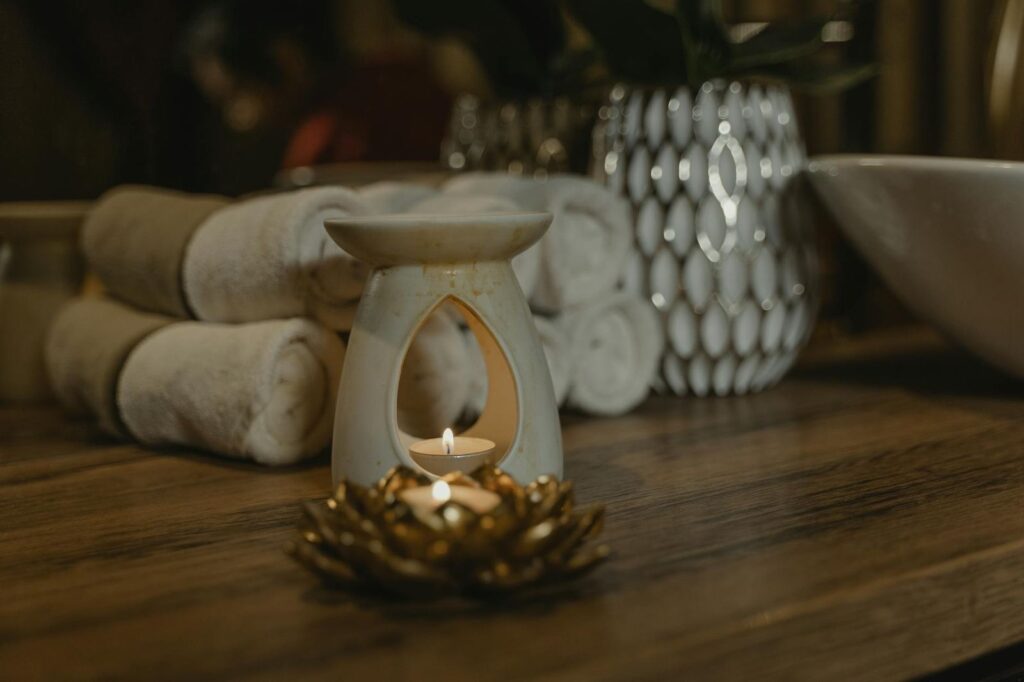
In today’s fast-paced world, self-care has become an essential practice. It is the conscious act of taking care of one’s mental, emotional, and physical health. The concept, although simple, is often overlooked due to the demands of modern life. However, self-care is not just about treating oneself to occasional indulgences but rather nurturing sustained wellbeing.
Understanding the importance of self-care is crucial. It aids in stress reduction, improves resilience, and enhances overall life satisfaction. The NHS emphasises that self-care helps manage chronic stress and anxiety, which are prevalent issues today.
To effectively incorporate self-care into your routine, it’s helpful to have a structured approach. This is where a resource like our Self-Care Reset Workbook might serve as a useful guide, offering a framework for integrating self-care into daily life.
The first step towards self-care is understanding your unique needs. Everyone’s requirements differ based on personal circumstances, lifestyle, and health conditions. Self-awareness is key in identifying what areas need attention, be it physical health, mental peace, emotional balance, or spiritual fulfilment.
Begin by reflecting on your daily habits and emotional triggers. Journaling can be an effective tool here, allowing you to track patterns and identify stressors. Through this process, you can start to pinpoint what aspects of your life require more care and attention.
Once you’ve identified these needs, prioritise them. This helps ensure that your self-care practices are targeted and effective, addressing the most pressing aspects of your life first.
After understanding your self-care needs, the next step is to create a personalised plan. A structured plan prevents self-care from becoming an afterthought. It also helps in maintaining consistency, which is crucial for long-term benefits.
Your self-care plan should be realistic and tailored to fit your schedule. Start by setting achievable goals, whether it’s dedicating 10 minutes a day to mindfulness or scheduling regular exercise sessions. Break down these goals into manageable tasks to avoid feeling overwhelmed.
To maintain motivation, periodically review and adjust your plan as needed. Life changes, and so do your self-care needs. Flexibility in your approach ensures your routine remains relevant and effective.
Mindfulness is a powerful self-care tool that encourages presence and awareness. Practising mindfulness can help manage stress, enhance emotional regulation, and improve concentration. According to research published in the Journal of Psychosomatic Research, mindfulness is effective in reducing symptoms of anxiety and depression.
Incorporating mindfulness into your daily routine doesn’t require significant time commitment. Simple practices such as mindful breathing, meditation, or mindful walking can be seamlessly integrated into your day. Start with just a few minutes each day and gradually increase as you become more comfortable.
Mindfulness can be practised anywhere, making it a versatile tool for immediate stress relief. Use moments of waiting, like in a queue or at a traffic signal, to focus on your breath and ground yourself in the present moment.
Physical health is a cornerstone of self-care. Regular physical activity, a balanced diet, and adequate sleep are fundamental to maintaining good health. The World Health Organization (WHO) recommends at least 150 minutes of moderate-intensity aerobic physical activity throughout the week for adults.
Finding enjoyable ways to move your body can transform exercise from a chore to a pleasure. Whether it’s dancing, cycling, or yoga, choose activities that bring joy and relaxation. Consistent physical activity not only benefits physical health but also improves mental wellbeing by releasing endorphins.
Nutrition plays an equally important role. A diet rich in fruits, vegetables, whole grains, and lean proteins supports both physical and mental health. Consider meal planning as a way to ensure you’re consuming a balanced diet that aligns with your health goals.
Emotional self-care involves activities that help you process and reflect on your emotions. Building emotional resilience is crucial in coping with life’s challenges. This involves recognising and accepting your emotions, and developing strategies to manage them effectively.
One effective method for emotional self-care is practising gratitude. Keeping a gratitude journal encourages reflection on positive aspects of your life, fostering a positive mindset. Regularly acknowledging what you are grateful for can shift your focus from negative to positive, enhancing overall happiness.
Additionally, seeking social support is vital. Building a network of supportive friends and family members can provide emotional outlets and foster a sense of belonging. Don’t hesitate to reach out and share your feelings with those you trust.
Adequate sleep is fundamental to effective self-care. Quality sleep affects mood, cognitive function, and overall health. The NHS suggests that most adults need between 6 to 9 hours of sleep every night.
To improve sleep, establish a consistent sleep routine. Go to bed and wake up at the same time each day, even on weekends. Create a calming bedtime environment by dimming lights and minimising screen time before bed.
Consider incorporating relaxation techniques such as reading, gentle stretching, or listening to calming music to help unwind before sleep. Limiting caffeine and heavy meals in the evening can also promote better sleep quality.
For many, finding time for self-care amidst a busy schedule can be challenging. However, prioritising self-care doesn’t necessitate drastic lifestyle changes. Instead, it involves integrating small, manageable practices into your existing routine.
Utilise micro-moments throughout the day for self-care. Take short breaks to stretch, hydrate, or practice deep breathing. Incorporate self-care into daily tasks, such as using commute time for mindfulness or listening to motivational podcasts while cooking.
Our Self-Care Reset Workbook offers practical strategies for embedding self-care into your daily life, helping you establish routines that fit your personal schedule and preferences.
Self-care is an evolving process. Regular evaluation of your practices ensures they continue to meet your needs effectively. Reflect on the benefits you’re experiencing and whether your self-care activities align with your current lifestyle and goals.
Set aside time periodically to review your self-care plan. Identify what’s working and what isn’t. Don’t be afraid to experiment with new practices or eliminate those that no longer serve you. Remember, flexibility is a key component of any successful self-care routine.
By persistently evaluating and adjusting your self-care activities, you ensure that this vital aspect of your wellbeing remains relevant, effective, and enjoyable.
In conclusion, integrating self-care into your life is an invaluable investment in your health and happiness. Approaching self-care with intentionality and understanding provides a strong foundation for improved wellbeing. Remember, the journey of self-care is personal and unique to each individual.
– The Bloom Health Team
Explore our curated eBooks designed to support real life wellness.